Buy your ticket
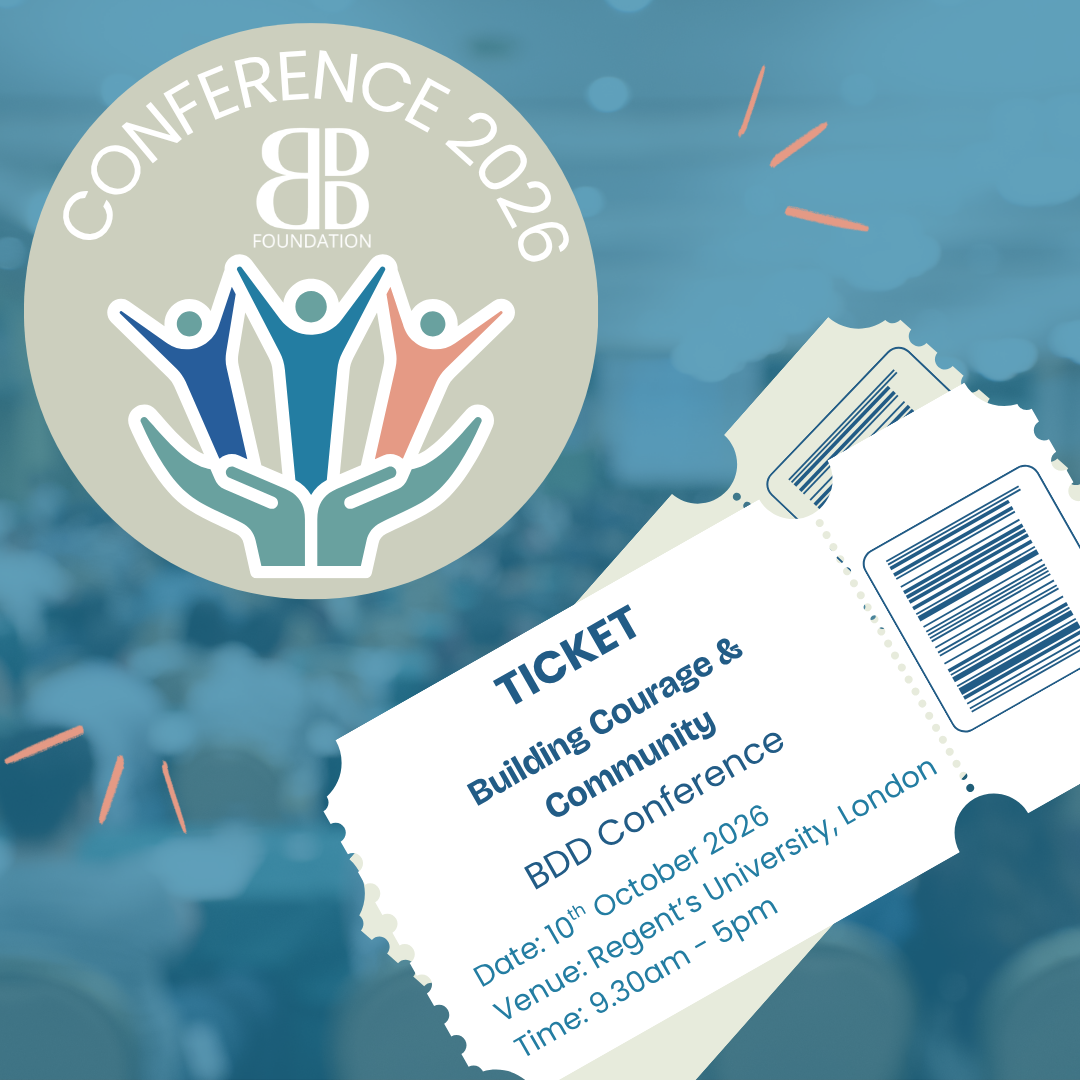
10th October 2026
This year, we are proud to host our 6th International Body Dysmorphic Disorder (BDD) Conference, centred around the theme of Building Courage & Community through shared lived experience.
Our conference is a unique opportunity to bring together the BDD community in a supportive, hopeful, and informative space. Individuals living with BDD, loved ones, clinicians, researchers, and mental health professionals come together to deepen understanding of the condition, explore developments in treatment and recovery, and hear inspiring stories from those with lived experience.
This year’s event places a particularly strong emphasis on the power of lived experience, peer support, and connection. Alongside our main stage talks, we will be offering interactive workshops and support sessions designed to provide practical tools for recovery, reduce isolation, and help attendees build confidence and hope in moving forwards.
By creating opportunities for people to connect with others who truly understand, we hope to foster a safe and empowering environment where attendees can take meaningful steps in their recovery journey and leave feeling less alone.
Throughout the day, attendees will hear from leading clinicians, researchers, advocates, and members of the BDD community. Together, these perspectives will offer a compassionate and balanced understanding of BDD, combining clinical expertise with real-world lived experience.
Workshops and sessions will focus on practical strategies, recovery-focused approaches, and overcoming common challenges associated with BDD. Beyond the educational content, the conference is also a space for comfort, solidarity, and connection. Many attendees tell us that simply being in a room with others who understand BDD can be an incredibly moving and hopeful experience.
Confirmed Speakers & Sessions Include:
- Keynotes:
- ‘If it’s not your appearance, then what is it?’ – Dr Rob Willson & Professor David Veale
- ‘Reclaiming Your Life Beyond BDD‘ – Chris Trondsen, LMFT
- Inspirational Speakers:
- Motivation for Recovery Panel — featuring inspiring members of the BDD community
- Plenary:
- ‘Advancing BDD Research: Challenges, Progress & Hope’ – Professor Georgina Krebs
- ‘Written on the Body: Early Trauma, Memory & the Roots of BDD’ – David Knight
- Workshops:
- ‘Reducing Self-Consciousness’ – Dr Rob Willson & Rachel Moore
- Overcoming Obstacles in CBT for BDD – Dr Amita Jassi & Sarah Woodward
- ‘Beyond Reassurance: Supporting Someone with BDD’ – Dr Lauren Peile & Scott Granet
- ‘Cultivating Self-Compassion’ – Lisa Williams & Merly McPhilbin
- ‘Taking Courageous Steps to Recovery: An Intro to ERP’ – Dr Katie Lang & Dan Joseph
- ‘Thinking Processes in BDD’ – Dr Angie Lewis & Rufus Dye-Montefiore
- Q&A Session with clinicians: Prof David Veale, Prof Georgina Krebs, Dr Amita Jassi & Dr Rob Willson
Buy your ticket now:
Detailed Abstracts:
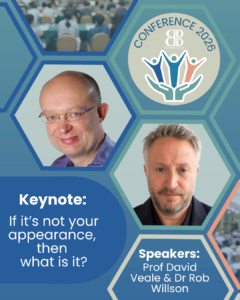
‘If it’s not your appearance, then what is it?’ – Professor David Veale & Dr Rob Willson
For most people with BDD, it seems clear to them that the problem is their appearance. Yet understanding BDD as an emotional problem, rather than an appearance problem, can be an important first step towards recovery.
This session will explore some of the psychological processes that contribute to the development and maintenance of BDD, and how they can shape the way we experience our appearance. We will consider the roles of thinking, attention, emotion, memory and behaviour, and explore concepts such as Theory A / Theory B and viewing the self as an aesthetic object.
By developing a clearer understanding of what is happening beneath the surface of BDD, the session aims to help people make sense of their experiences, recognise the patterns that can keep BDD going, and begin to see where change is possible.
‘Reclaiming Your Life Beyond BDD’
No matter where you are in your recovery journey, an important step is being motivated for change, reclaiming your identity beyond your appearance, and rebuilding a life based on values, goals, and hope.
In this interactive presentation, Chris will highlight ways to move forward and next steps to take beyond this conference. He’ll discuss harnessing the motivation gained from the day’s events, staying consistent with therapy, building identity, fostering community and healing from years of the disorder.
As people begin to improve with treatment, re-engaging in life can be challenging. This presentation will address and explore ways to fill your life with passionate activities, including a career, dating, school, and independence, as well as continuing to engage with the BDD community even after this event concludes. The session will build on the themes explored earlier in the day, encouraging you to think about what your next step in recovery might look like.
We are ending the day on a hopeful and empowering note that provides hope, motivation, and encouragement, while emphasising that recovery isn’t about comparing your journey with anyone else’s, but about taking your own courageous next steps.
‘Written on the Body: Early Trauma, Memory, and the Roots of BDD’
or many people living with BDD, it can feel like the mirror is the problem. But for many, the real story started much earlier — in moments of pain, fear, or feeling unsafe that happened long before appearance ever became the focus. Sometimes it’s not that the body is remembered as flawed. It’s that the body remembers being hurt.
This talk gently explores the connection between early trauma, PTSD, complex trauma, and the development of BDD, and why some appearance beliefs feel so stuck, so absolute, no matter how much evidence says otherwise. We’ll look at how traumatic memories don’t just sit quietly in the past; they can quietly reshape how someone sees themselves, years or even decades later.
Using real (anonymised) clinical stories, we’ll explore what it looks like when the root of BDD is trauma rather than appearance itself and how memory-focused approaches, particularly EMDR, can help people process what happened, rather than just manage how it feels. For many, this is where lasting change becomes possible.
The aim of this talk is hope: understanding where these beliefs really come from is often the first step to loosening their grip. Then using evidence based techniques to process the traumas to stop them influencing how you see yourself now.
‘Thinking Processes in BDD’ – Dr Angie Lewis & Rufus Dye-Montefiore
Our minds are constantly working, often trying to protect us from perceived threats. In BDD, however, some of these thinking processes can unintentionally keep us stuck in cycles of anxiety, self-consciousness and appearance preoccupation.
In this interactive workshop, we’ll explore some of the common mental processes involved in BDD, including comparing ourselves to others, self-criticism, heightened vigilance for perceived flaws, planning and preparing as well as coping with distressing mental images. Together, we’ll consider why these processes occur, how they contribute to maintaining BDD, and how to recognise them when they’re happening.
Drawing on cognitive behavioural therapy (CBT), practical exercises and lived experience, we’ll explore ways of responding differently to these thinking patterns, helping you develop a more balanced perspective and reduce their impact on your daily life.
‘Beyond Reassurance: Supporting Someone with BDD’ – Dr Lauren Peile & Scott Granet, LSCW
Supporting someone with BDD can be incredibly challenging. When someone you care about is distressed, it’s only natural to want to reassure them, help them avoid anxiety, or try to make things better. Yet, despite our best intentions, some of these responses can unintentionally keep BDD going.
In this interactive workshop, we’ll explore practical ways that parents, carers and loved ones can support recovery whilst looking after their own wellbeing. Together, we’ll consider how reassurance and other common responses can reinforce BDD, and how small changes in the way we respond can make a meaningful difference over time.
We’ll discuss the importance of becoming a “cheerleader” for recovery. We’ll also explore how to respond when a loved one is reluctant or unwilling to engage with treatment, de-catastrophise difficult situations, prepare for setbacks as a normal part of recovery, recognise and respond to concerns around self-harm and suicidality, and ensure you’re taking care of your own needs along the way.
Whether you’re supporting a child, partner, family member or friend, you’ll leave with a greater understanding of BDD, practical strategies to support recovery, and increased confidence in navigating the challenges that can arise whilst remembering that you don’t have to face them alone.
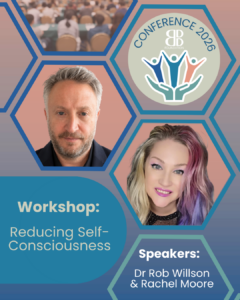
‘Reducing Self-Consciousness’ – Dr Rob Willson & Rachel Moore
Many people living with BDD spend much of their time focused on their appearance, monitoring any perceived changes, analysing their thoughts and feelings, and imagining how they look to other people. Unfortunately, this self-focused attention can make appearance concerns feel even more convincing, increase self-consciousness, and keep BDD going.
In this interactive workshop, we’ll explore why self-focused attention plays such a central role in BDD and, more importantly, how to begin shifting towards a more external focus. Together, we’ll look at the difference between being “on the outside looking in” and “on the inside looking out”, and why this change in perspective can reduce self-consciousness and help you reconnect with the world around you.
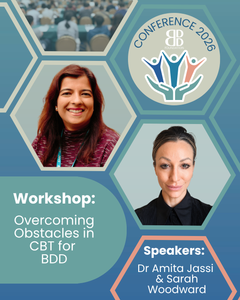
‘Overcoming Obstacles in CBT for BDD’
This interactive workshop will discuss some of the common obstacles often faced by clinicians and clients when undertaking Cognitive Behaviour Therapy (CBT) for BDD. Based on the collective clinical experience of therapists working in a specialist BDD service, common obstacles will be described but importantly suggestions of ways to overcome these will be discussed.
Obstacles such as those including the exposure element of treatment, such as what to consider when anxiety does not reduce when doing exposure tasks, how far to push exposure tasks, and common barriers to effective mirror exposure work, will be considered. Other areas will include how to progress treatment when the perceived appearance flaw is ‘real’ or when there are risk concerns to be addressed, how surveys can be misused in treatment, when techniques aimed to support with attention retraining have the potential to become a distraction or checking behaviour and where the use of Theory A versus Theory B is unhelpful.
There will bean opportunity for attendees to discuss any obstacles they have faced that are not listed above and for the group to think about ways to overcome these.
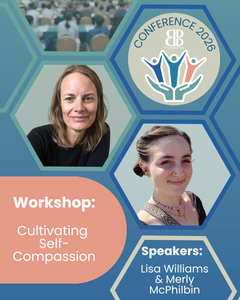
‘Cultivating Self-Compassion’
Often people with BDD find that they are far kinder and more understanding towards others than they are towards themselves. Self-criticism, shame and guilt can become deeply ingrained, making it difficult to respond to setbacks with the warmth and encouragement needed for recovery.
In this interactive workshop, we’ll explore what self-compassion really means. It isn’t about letting ourselves off the hook or avoiding difficult emotions. Rather, it involves responding to our own suffering with kindness, understanding and courage, whilst taking the steps needed to make meaningful changes in our thinking and behaviour.
Together, we’ll look at the growing evidence for self-compassion in improving mental health and wellbeing and consider how developing a more compassionate relationship with ourselves can support recovery from BDD. We’ll also explore the powerful role that imagery plays in shaping our emotions and practise a guided compassionate imagery exercise, helping you develop a practical tool that you can continue to use long after the workshop has ended.
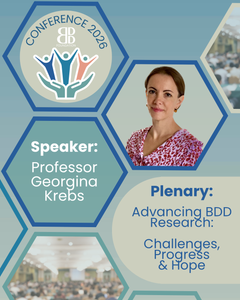
‘Advancing BDD Research: Challenges, Progress, & Reasons for Hope’
Many people affected by BDD face substantial barriers to receiving effective help. Research has a vital role to play in improving recognition, treatment, and outcomes. Despite this, BDD is one of the most overlooked and under-researched mental health conditions.
This talk will explore the current state of BDD research, examining both the challenges that can limit progress and the advances that offer reasons for optimism. We will begin by considering why BDD remains an overlooked and under-researched condition, before looking at research on detection, access to treatment, and improving treatment outcomes.
Although BDD has been overlooked for too long, the field is gaining momentum. Through greater visibility, stronger investment in research, and collaboration between people with lived experience, clinicians, and researchers, we have an opportunity to accelerate progress and improve outcomes for people affected by BDD.
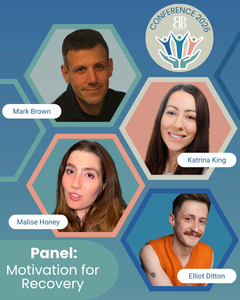
Motivation for Recovery Panel
Introducing our incredible and inspiring Motivation for Recovery Panel 🤝
It’s so important to us that our Conferences are a space for sharing lived experience stories, hope for recovery, and a chance to connect with those who’ve walked (and many still walking) the path of recovery from BDD.
In this talk, we’ll hear a range of perspectives from Mark, Katrina, Elliot & Malise on what their recovery journey’s have looked like so far, where they’ve found support and healing, and what helps them stay in that journey of recovery in the here and now.
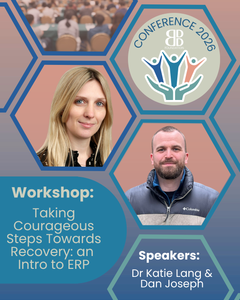
‘Taking Courageous Steps Towards Recovery: An Introduction to ERP’
Exposure and Response Prevention (ERP) is one of the most effective aspects of treatment for BDD, but it can also feel daunting when you’re first introduced to it. In reality, ERP isn’t about forcing yourself into overwhelming situations or “just facing your fears”. It’s about taking small, gradual and courageous steps that help retrain your brain’s fear response over time.
Drawing on cognitive behavioural therapy (CBT), practical examples and lived experience, we’ll introduce the principles of ERP, explore the eight golden rules for effective exposures, and guide you through developing your own personalised fear hierarchy. Whether you’re just beginning your recovery journey or looking to strengthen your existing skills, this workshop will provide practical tools and the confidence to start taking meaningful steps towards recovery.